
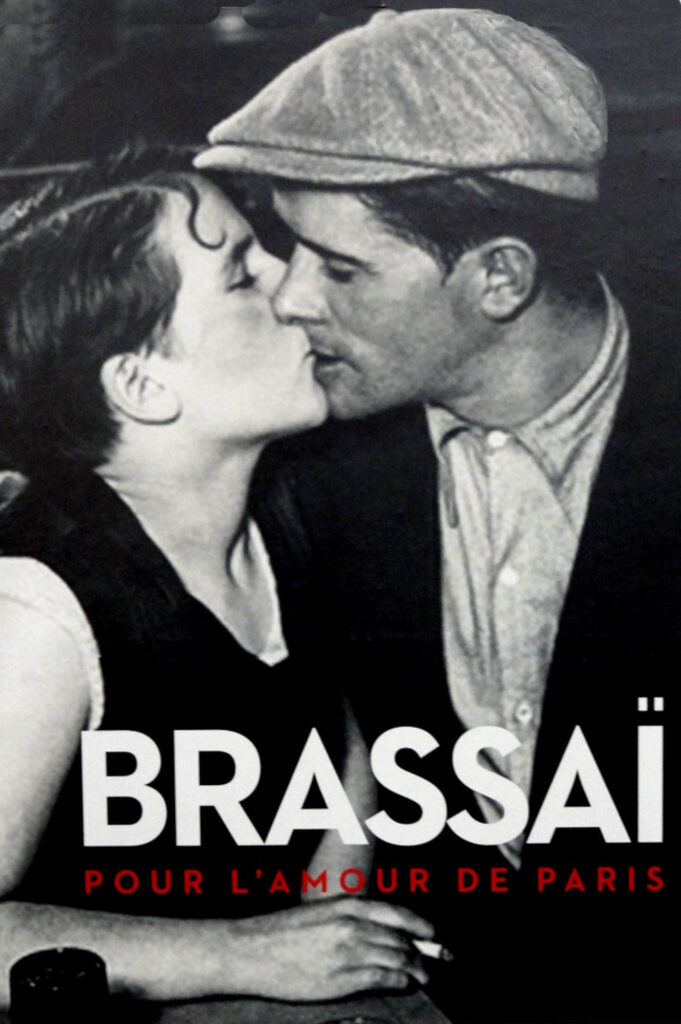
The connection between love, art, and evolution highlights the complex way in which biological, emotional, and cultural factors interact.
Love is the driving force behind artistic expression, while art can deepen our understanding and experience of love. Both are essential elements of human existence that have evolved to strengthen human relationships, foster connection, and encourage social cohesion. As we continue to develop, our expressions of love through art will also evolve, reflecting the ongoing changes in our societies and environments.
Love evolved as a mechanism to increase reproductive success. Emotional connections foster partner bonding, which can increase the survival rate of offspring. Romantic love motivates individuals to form and maintain relationships, leading partners to cooperate in raising children. Chemicals such as oxytocin, often called the love hormone, play a significant role in promoting attachment and bonding. This biological basis can influence how love is expressed and experienced in different cultures.
Art often explores themes of love, desire, and relationships. Poets, painters, and musicians have created countless works celebrating love in all its forms: romantic, familial, platonic, and self-love. Art can evoke powerful feelings related to love. It serves as a medium for individuals to express their emotions and experiences, transcending time and cultural boundaries. Art has traditionally played a role in bringing people together and fostering shared experiences that can deepen the bonds of love and friendship.
Art often tells stories about love, capturing the complexities of relationships and human emotions. These stories can help individuals understand their own experiences with love and foster empathy for others. The ability to understand the feelings of others is crucial for forming and maintaining loving relationships.